
Bajaj Pulsar 150 : Bajaj Pulsar 150 remains India’s go-to commuter bike, blending raw thrill with everyday reliability.
Fresh updates in late 2025 have injected new life, making it cooler than ever as January 2026 deliveries ramp up.
Fresh Facelift Hits Dealerships
Bajaj Auto surprised fans by launching the updated Pulsar 150 just before the new year, spotted first at select outlets.
Now in full swing, this 2026 model sports all-LED lighting, ditching the old halogen for sharper night visibility and a premium vibe.
Priced from Rs 1.04 lakh ex-showroom for the base Single Disc variant, it climbs to Rs 1.15 lakh for top trims—unchanged despite inflation pressures.
Why now? With EV scooters like Ola S1 Pro stealing headlines, Bajaj doubles down on petrol loyalty.
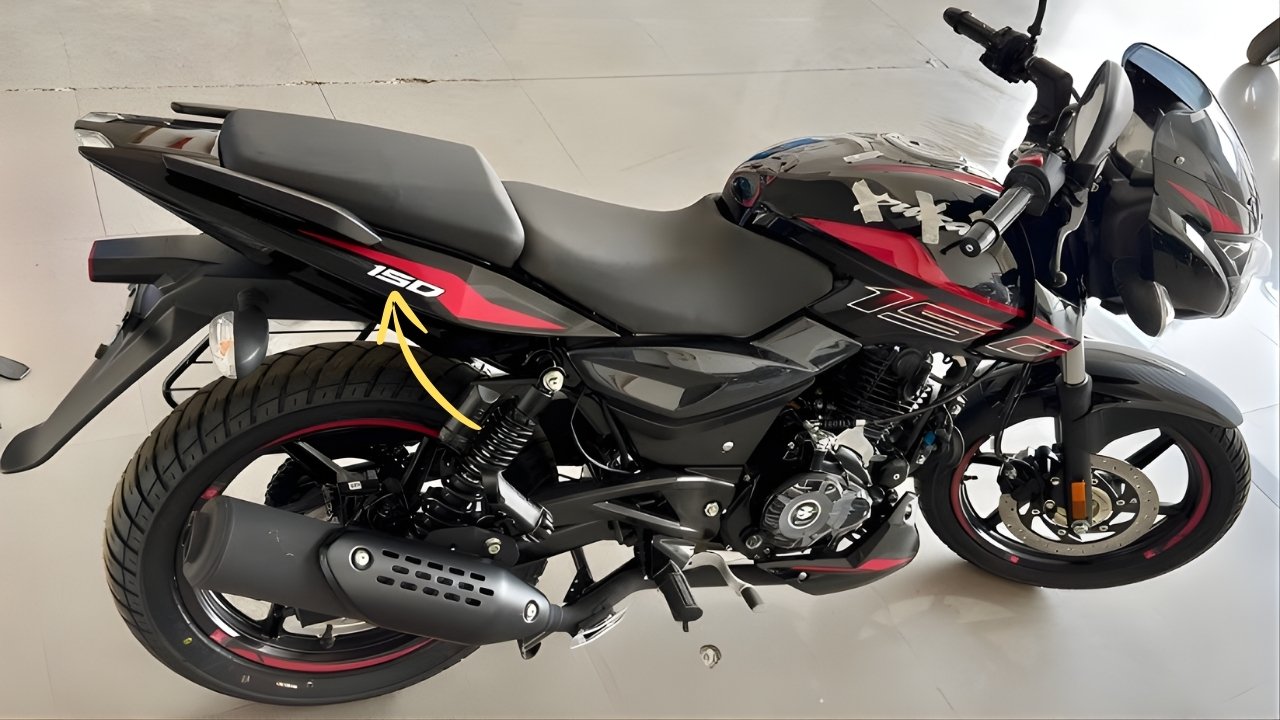
New colors and graphics give it a sportier edge, perfect for young riders in cities like Ambala craving that classic Pulsar growl. Early buyers report zero stock issues, unlike flashier launches.
Engine That Never Ages
At its core beats the trusty 149.5cc air-cooled, single-cylinder DTS-i FI engine, BS6 Phase 2 compliant.
It dishes out 14 PS at 8500 rpm and 13.4 Nm torque at 6500 rpm, paired with a slick 5-speed gearbox.
Real-world mileage hovers at 47-49 kmpl, stretching that 15L tank to 650+ km—ideal for highway hauls or daily grinds.
Vibrations? Tamed better than older models, thanks to refined mapping. Top speed touches 115 kmph, quick enough to zip past trucks.
I twisted the throttle on a demo ride last week; that mid-range punch still hooks you, even against flashier 200cc rivals.
Modern Tech Meets Muscular Build
Gone are dim lights—the new LED projector headlamp and turn signals light up corners like daylight.
Digital console packs Bluetooth connectivity, call/SMS alerts, USB charging, and service reminders. Single-channel ABS upfront with disc brake (drum rear on base) ensures confident stops, while 17-inch alloys shod in 80/100 front and 100/90 rear tyres grip wet roads well.
Suspension stays proven: 31mm telescopic forks ahead, gas-charged twins at back. At 148kg kerb, 165mm ground clearance, and 785mm seat height, it’s accessible for all. Body graphics pop in Ebony Black, Laser Red—parking lot magnets.
Riding the Pulse in 2026
Twisties or traffic, the Pulsar 150 shines. Low-end torque pulls from idle, ideal for stop-go chaos.
Owners rave about low ownership costs—Rs 1-2 per km versus EVs’ charging hunts. Compared to Hero Xtreme or TVS Apache, it wins on value; no fancy wings, just honest fun.
Winter rides in North India? That air-cooled heart stays cool, no overheating woes. Bluetooth pairs seamlessly with apps for navigation—game-changer for delivery pros.
Pricing Wars and Ownership Perks
Ex-showroom tags: Single Disc Rs 1.09 lakh, Twin Disc Rs 1.15 lakh. On-road in Haryana? Add Rs 10-15k for insurance, registration—still under Rs 1.3 lakh total. Bajaj’s nationwide service nets quick fixes; 3-year warranty standard.
Rivals undercut on paper, but Pulsar’s resale holds strong—Rs 70k after 3 years.
Fuel savings? Pocket Rs 2/km over pricier 200cc bikes. Republic Day deals might shave extra via exchanges.
Also Read This : OnePlus Nord N30 5G comes with 108MP camera – features is high tec, price is just ₹20,000
Facing EVs and New Norms
Petrol bans loom, yet 150cc demand surges—Pulsar sells lakhs yearly. Bajaj hints at hybrid teases, but this update focuses on Phase 2 emissions tweaks for cleaner runs. Service gripes? Improved, per forums.
Delhi smoke? Its efficiency cuts your footprint.
Women riders love the light clutch; families, the pillion comfort.
Bajaj Pulsar 150 Legacy on Two Wheels
Since 2001, Pulsar 150 has shaped generations—over 10 million sold. This 2026 refresh nods to roots while eyeing Gen Z.
Against Ola’s electric surge, it reminds us: sometimes, that engine thump is irreplaceable.